Ada Salter and the Beautification of Bermondsey
This was a guided walk by Sue McCarthy, organised for Wanstead Quakers.
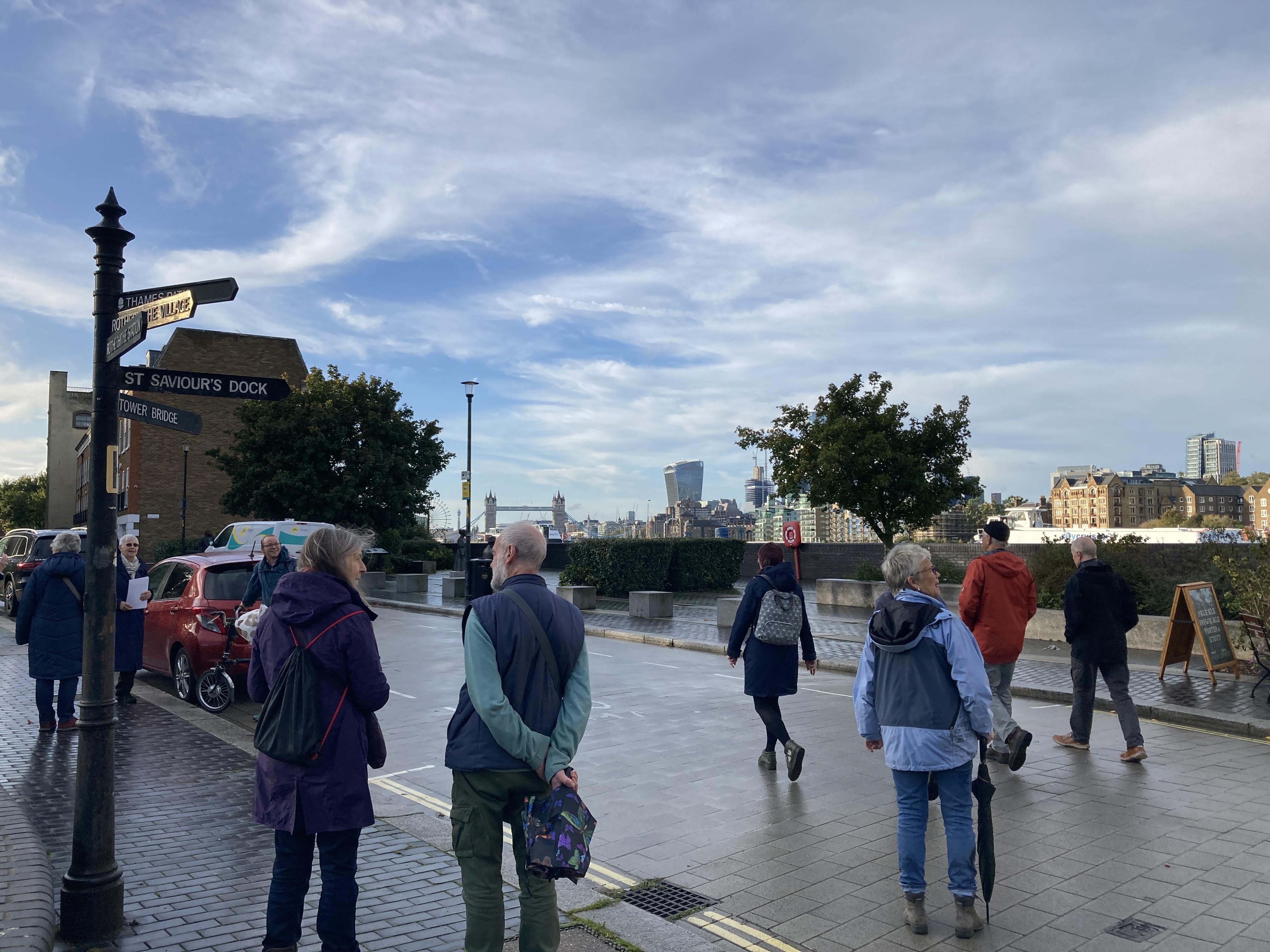
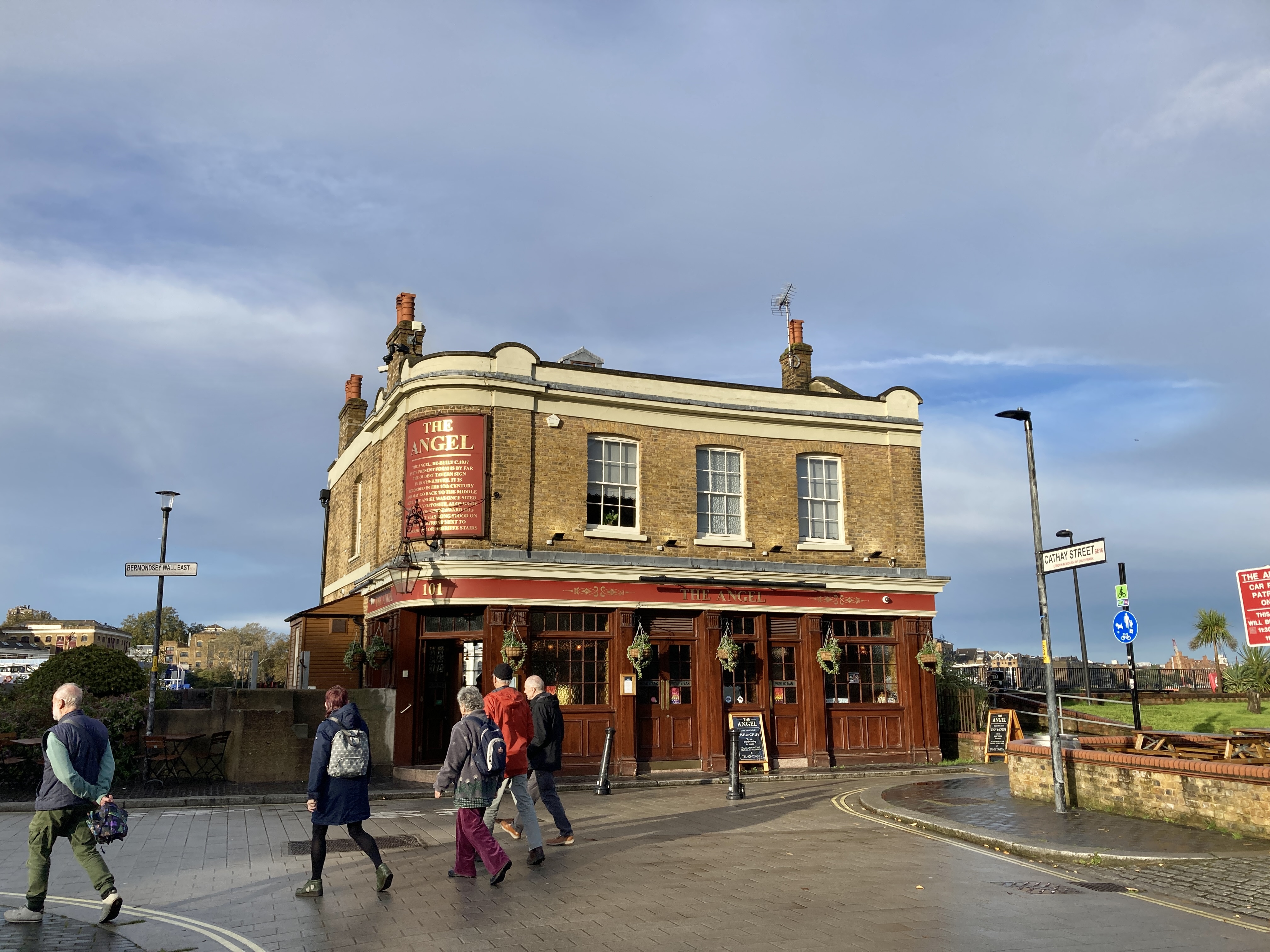
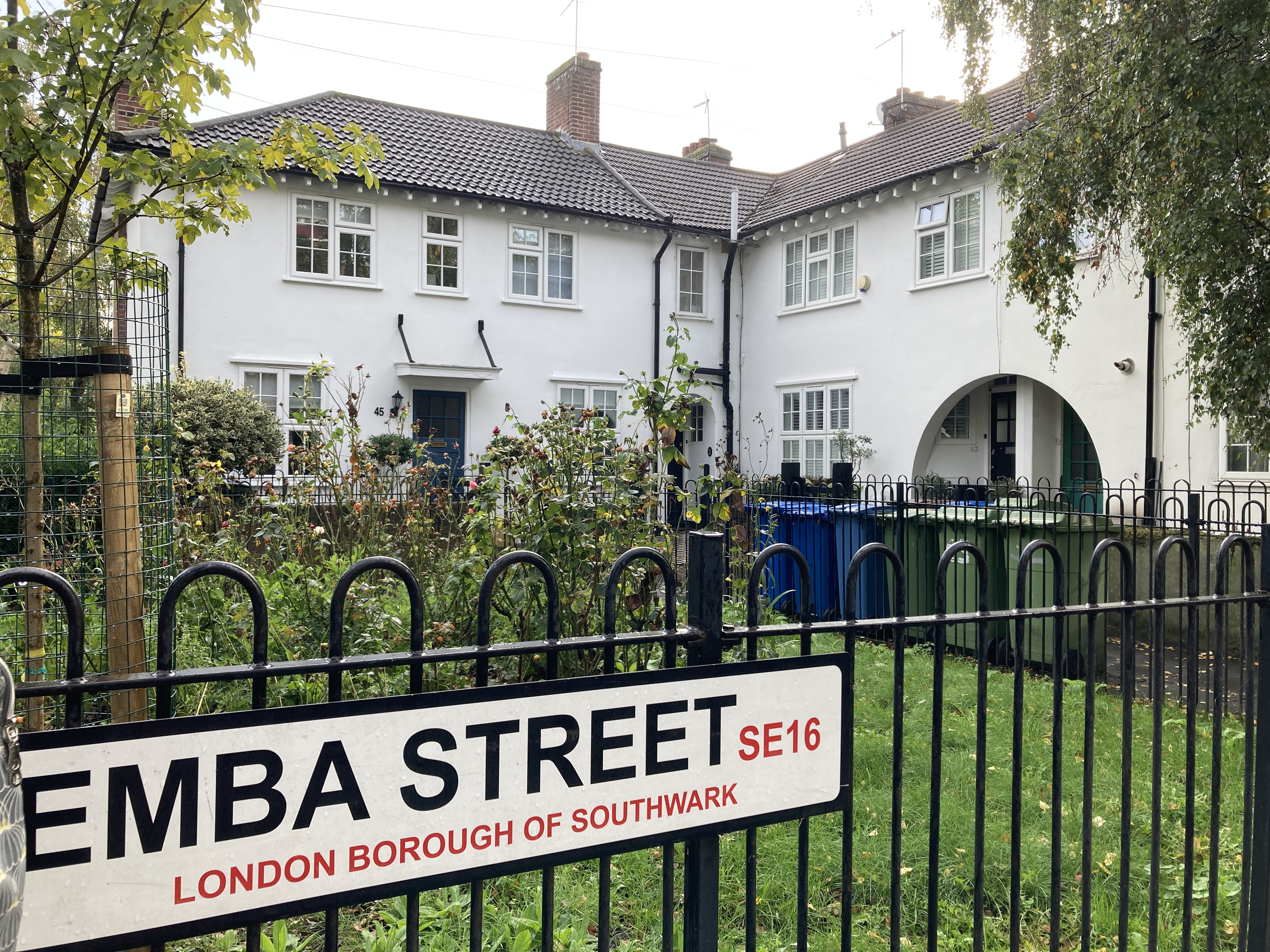
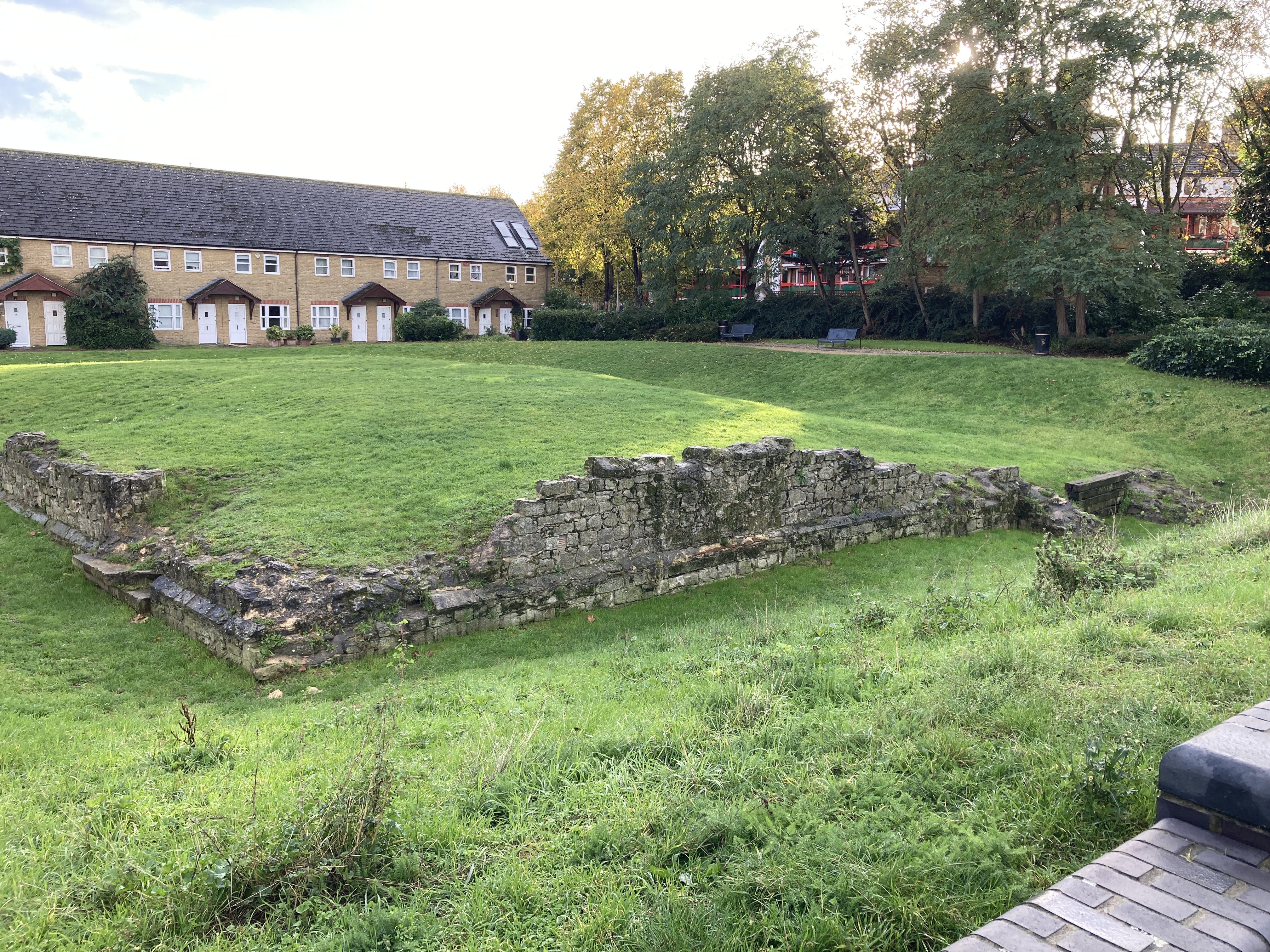
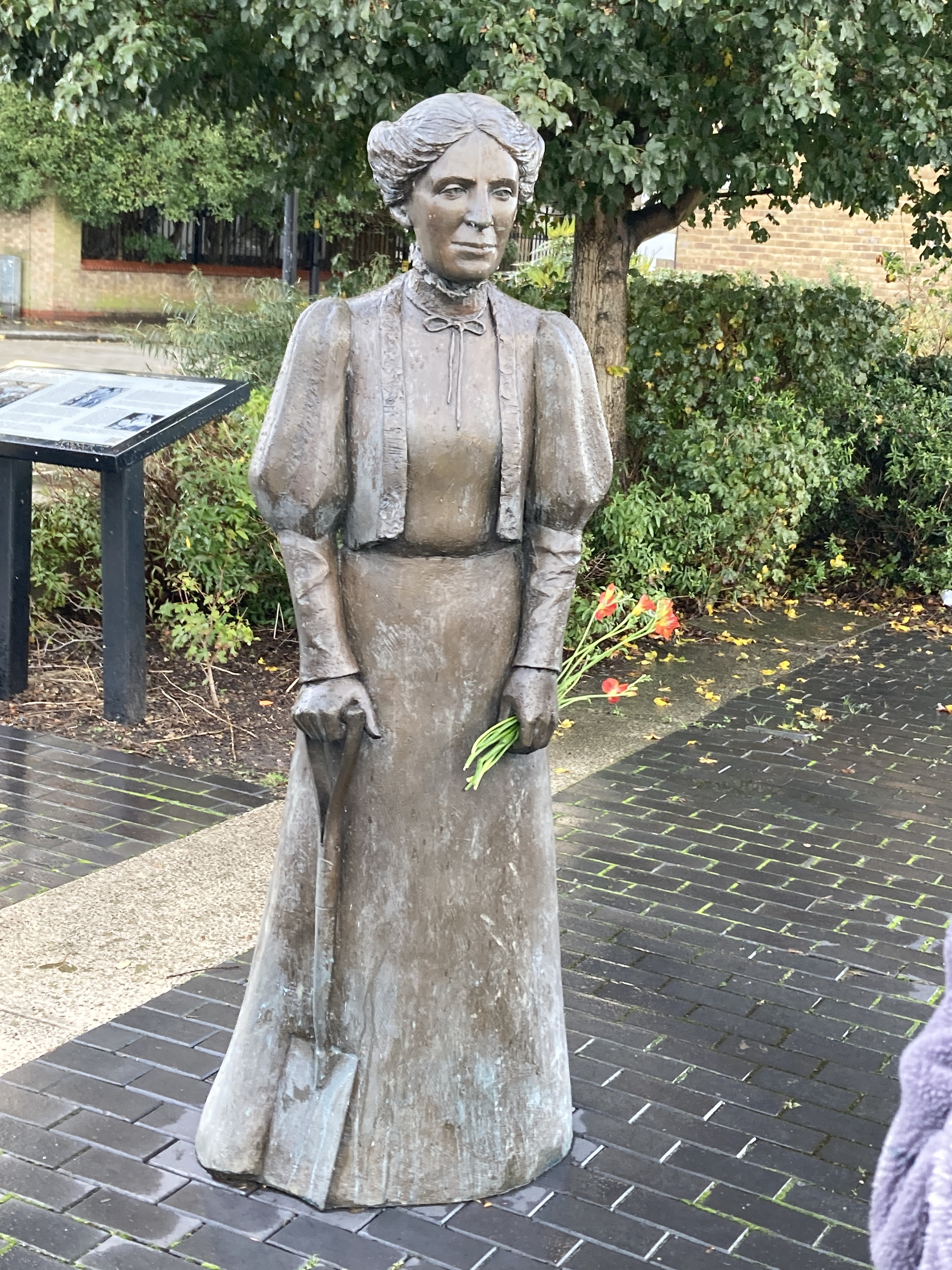
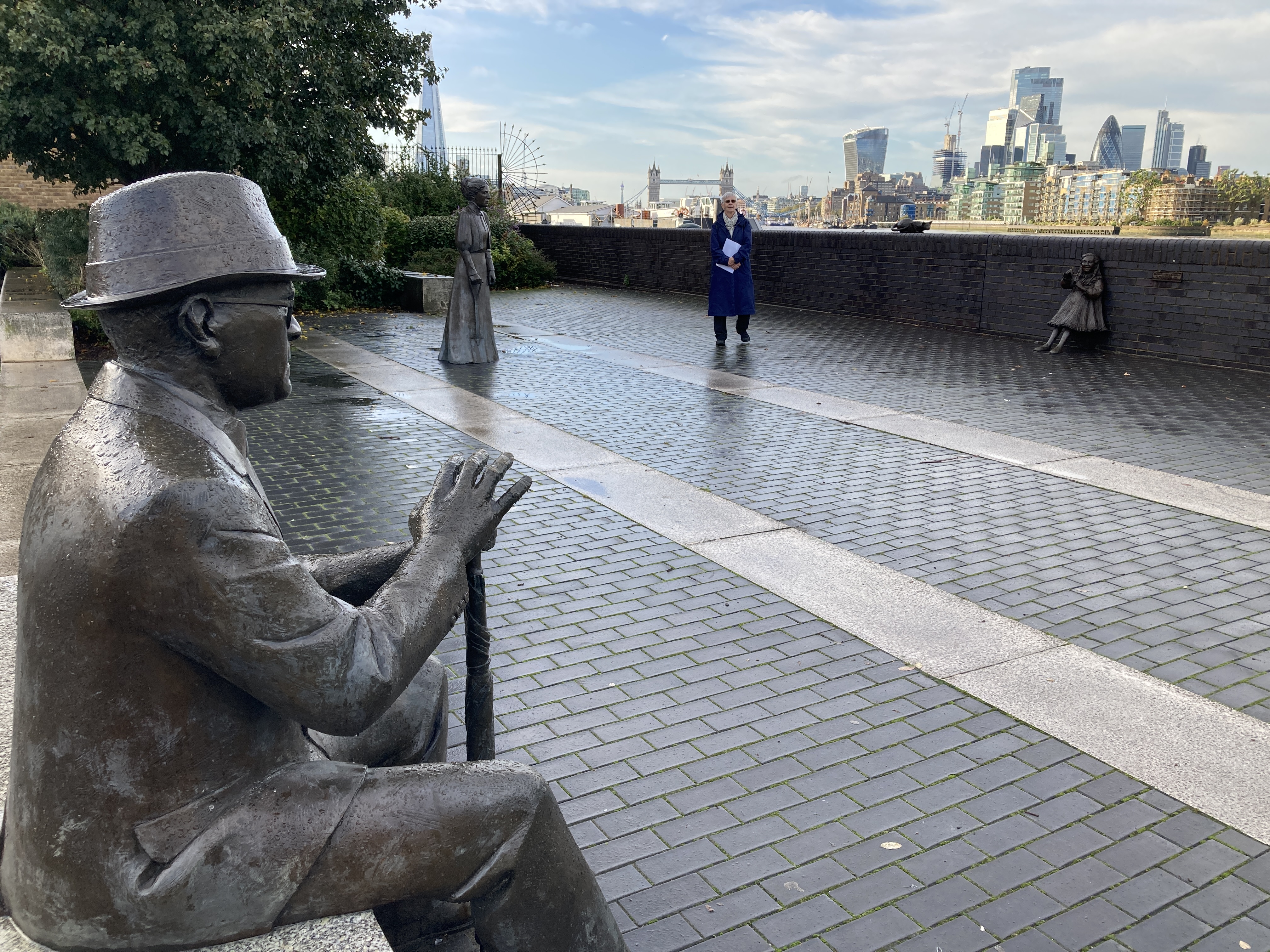
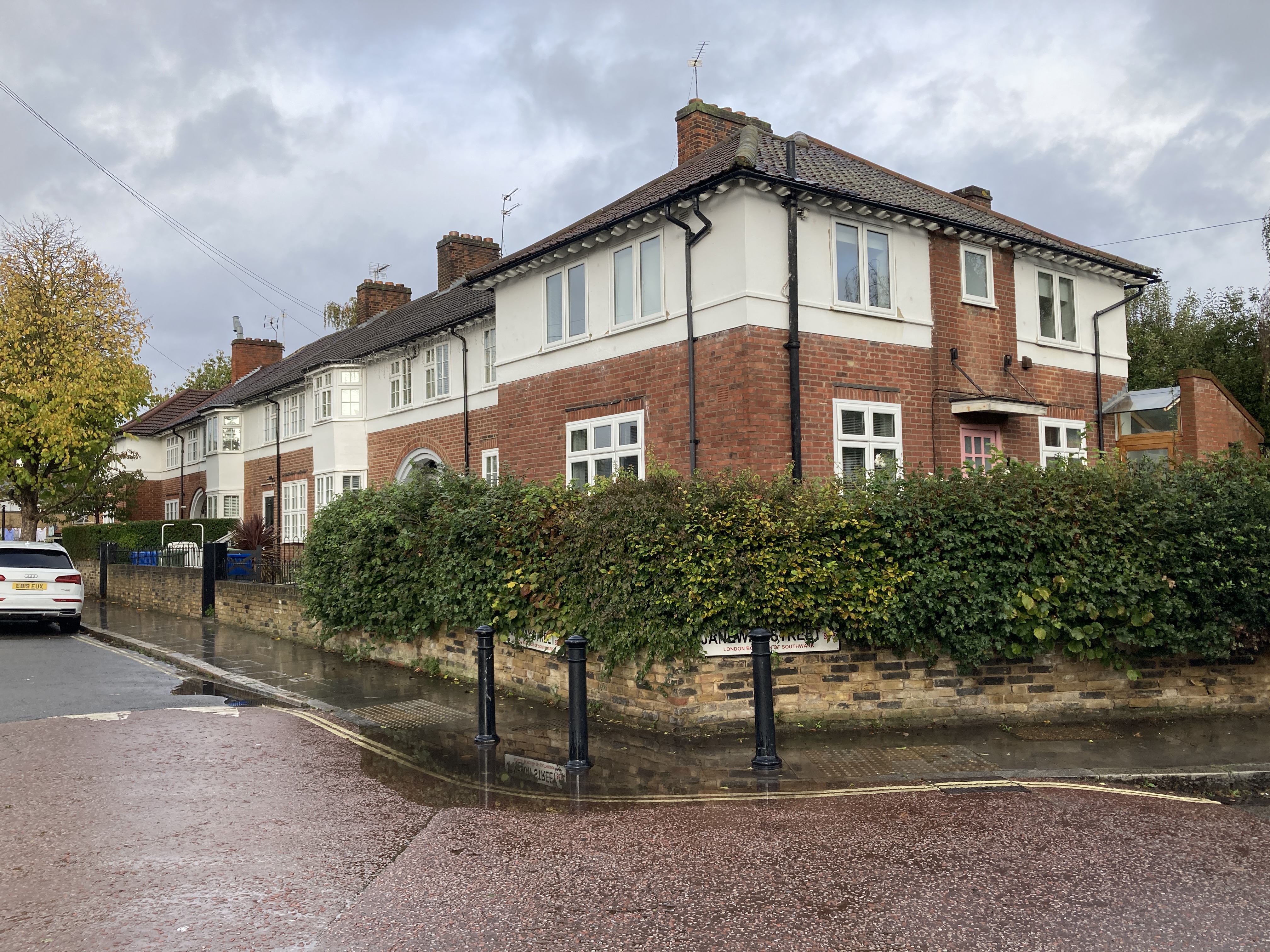
I can’t claim to remember much of the history at this remove from the event itself (October to January is a long time at my age), but I recall well the sights and locations of the day. First, a solo lunch at the friendly and atmospheric Gregorian pub on Jamaica Road, then the beautiful little garden suburb built by the Salters around Emba Street, and then on to the surprise of the open skies of the river at Bermondsey Wall, with the sculptures of the Salters and (bizarrely) the ruins of Edward III’s manor house, uncovered by the Luftwaffe.


Dance First
A biopic about Samuel Beckett. Not much on the glorious Godot, but ho hum. Nicely framed between an episode of SB fleeing the Nobel ceremony into a rocky cavey place where he discusses his life with himself. Good to see James Joyce, or someone portraying him anyway, and fun scenes showing Beckett’s work with the French Resistance in the war. Peter Bradshaw says it well: ‘tackling the paradox of Beckett’s bleak fictional universe of stymied inaction and his dramatic real life of service in the French resistance and romantic intrigue.’ I was expecting more about his work, his vision, the dark side as it were.
How they are related
Contemporaneous stories, more or less: the one – about a couple who engineer, through political and community action, the improvement of the poorest of Bermondsey (mainly the girls working in the many jam and biscuit factories along the Thames; their legs were covered with infected sores from all the rotting fruit on the floor); the other – a writer not, as his works, exploring the darkness of the human condition, but trying to find his way in the world and ultimately rejecting its accolades. The Salters, as can you see above, won, as did Beckett, accolades for their work in exposing the dark; our Quaker pair, didn’t only reveal oppression, but addressed it.
 Houyhnhnm